
Why do good teams make bad decisions?
It’s not the people. It’s the process.
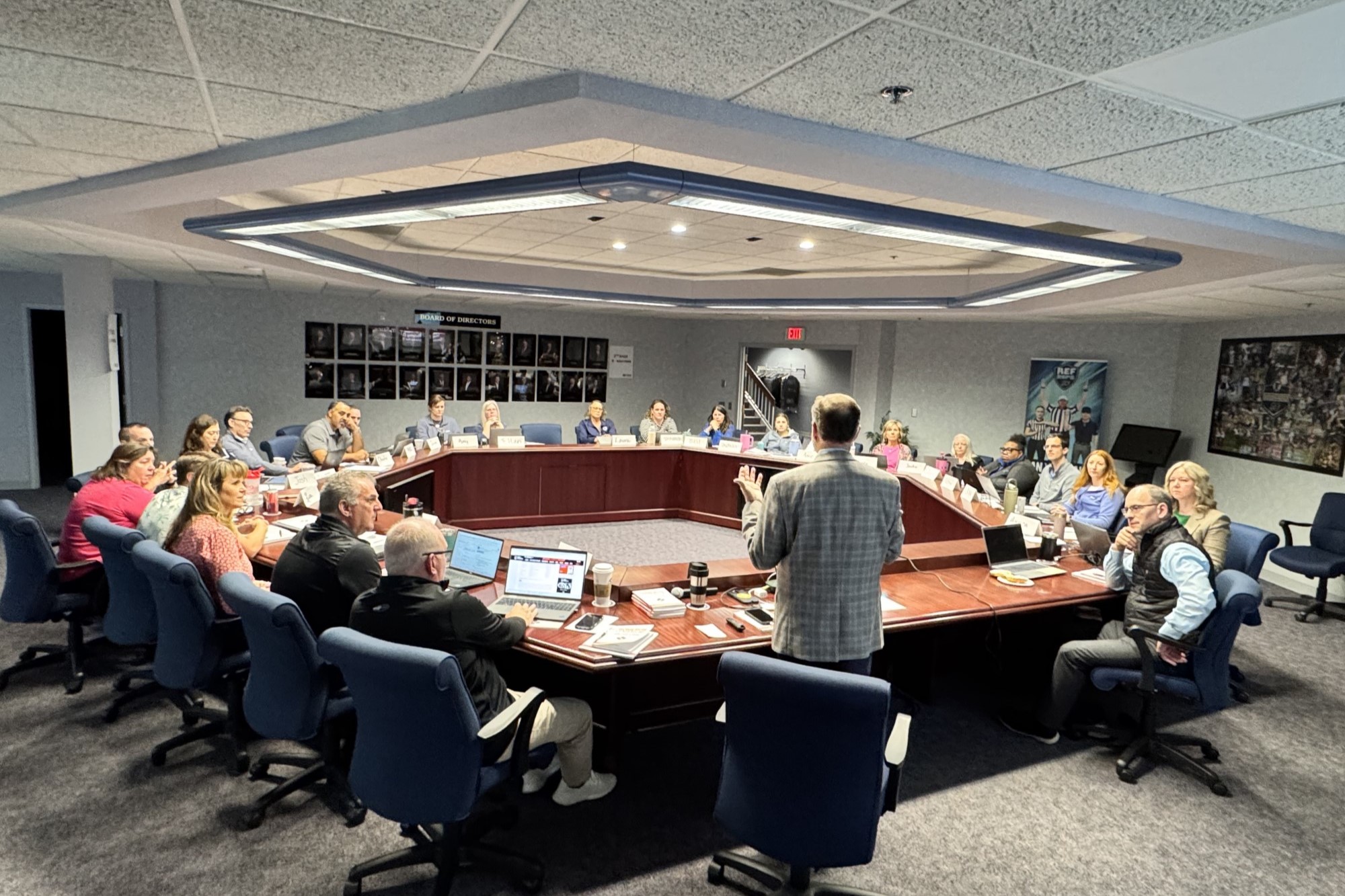
I’ve sat in hundreds of leadership team meetings. School boards, city councils, nonprofit boards, executive teams. And I’ve watched the same thing happen over and over again.
Someone raises a problem. The room jumps immediately to solutions. Half the people in the room haven’t shared their real concerns. Nobody has listed all the options. Often the final decision just comes from the loudest person in the room.
That’s skipping bases. It feels like leadership, but it produces expensive mistakes.
After 12 years as a superintendent and 25 years of applying the science, I can walk into any meeting and spot within minutes exactly which base was skipped — and where the final decision isn’t aligned with all stakeholders.
“Most leaders aren’t struggling because they lack good ideas. They’re struggling because they skip critical steps in the decision-making process.” — Dr. Dave Webb
There are Four Bases to Decision-Making
The Proven Science:
IROD isn’t a meeting agenda. It’s a decision-making framework built from scientific research and refined across 25 years of real governance situations — from board conflicts to union negotiations to city council votes.
Here’s what happens when you run all four bases.
First Base: Information
Do we have all the information we need to decide?
Before any organization moves toward a decision, the team has to stop and ask: what do we actually know — and what are we missing? Most teams skip this step because they assume they have all the facts. This isn’t always true. And the gaps they leave behind become the problems they’re dealing with six months later.


Second Base: Reactions
Have everyone’s reactions been heard?
This is the base most leaders skip — and the one that creates the most resistance downstream. Before you can move to options, every person in the room needs the chance to respond to what they’ve heard. Not to argue. Not to solve. Just to react.
When you run Reactions, you capture the emotional intelligence in the room. The concerns that don’t get raised here become the objections that derail implementation later.
Third Base: Options
Have we explored every option available?
Most leaders struggle at this base because they stop too early. They get two or three options on the table and call it done. Leadership science says you have to surface all the options — and then let the team vet them — before you can know which one has the genuine support to succeed.
The IROD Facilitation Suite uses live star-ranking to let every person in the room vote on the options simultaneously. The consensus that emerges isn’t manufactured — it’s visible and documented, and real.

Fourth Base: Decision
What is our decision — and can we all support it?
This is where the choice gets made. After running Information, Reactions, and Options, every person in the room has been heard, every concern has been surfaced, and every option has been evaluated. The team doesn’t just confirm support — they reach the decision together. They choose the path forward, and then they commit to it.
That’s a different thing than a vote. A vote can produce a winner and a room full of quiet dissenters. A Decision that comes out of IROD holds — not because it was mandated, but because everyone touched all four bases to reach it together.
The IROD Facilitation Suite: Three Apps, One Framework
The IROD Facilitation Suite runs the framework for you.You don’t need a facilitator in the room. You need the four questions — asked in the right order, with every voice captured, and a documented outcome.
For the decisions that are keeping you up at night.
Homerun Problem-Solving App
A superintendent is facing a 5% budget cut. She creates a room, her team logs in.
-
First base: what information are we missing? The team surfaces gaps they didn’t know existed.
-
Second base: what are our real concerns? The concerns that would have become resistance get captured before anyone digs in.
-
Third base: what are all our options? The team star-ranks them live.
-
Fourth base: who can support this path forward?
The entire process — fully documented in a PDF report — happens in a single session. What used to take weeks of back-and-forth now happens before everyone leaves the room.
For plans that require everyone's input — at scale.
Homerun Innovation App
A city administrator needs input from 200 department staff on the organization’s strategic priorities. In a traditional process, that’s weeks of surveys, manual synthesis, and a report with lack of trust because some suspect it was shaped before it was shared.
With the Innovation App:
-
200 people submit responses simultaneously
-
AI generates the themes in seconds
-
The room votes on priorities live.
-
The outcome reflects everyone
The administrator walks out with a completed report, and actionable next steps.
For the situations where two people are at an impasse.
Homerun Conflict Resolution App
A senior leader wants to accelerate a major project launch. The department head feels the team isn’t ready. Both have valid positions. Both have dug in.
In the Conflict Resolution App, both leaders log in privately:
-
They share their perspectives without interrupting each other.
-
They react to what they heard.
-
They brainstorm options together — not defending positions, but generating possibilities.
-
They star-rank what they can support. The overlap reveals the common ground.
The conflict is resolved. A plan is documented. The relationship stays intact. What could have become a damaging power struggle becomes a path forward — together.
Every IROD session ends the same way.
Before your team leaves the room, the IROD Facilitation Suite generates a complete PDF report. Every response. Every prioritized option. And the final decision – documented, shareable, and ready to act on.